
The Ultimate Oat Milk Sourcing Guide: From Source to Flavor, Everything You Need to Know
Whether you’re sourcing for hotels, coffee chains, or retail shelves, this definitive guide delivers everything buyers need to select oat milk products that delight your customers. Let’s dive in.
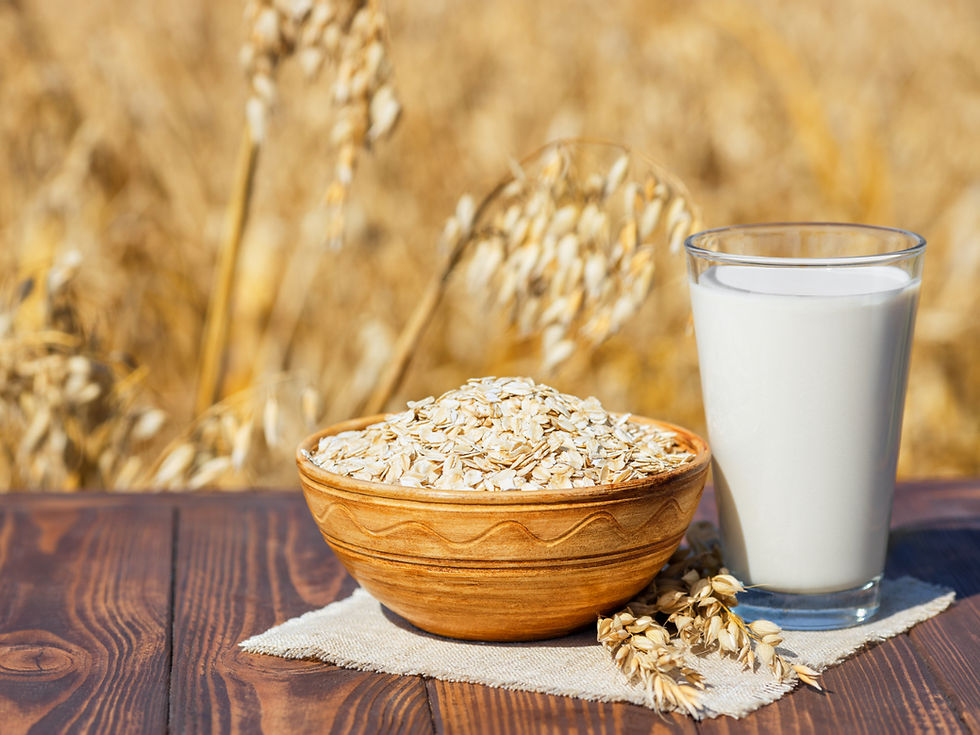
How Oat Milk Is Made
Key Ingredients
Oats (Avena sativa)
Choose whole grains or oatmeal to retain more natural nutrients
Some brands use pre-processed oat extracts for efficiency
Water
Forms the base - amount affects thickness
Plant Oils
Sunflower or rapeseed oil is often used to add a smooth texture
Other Additives
Salt: Balances sweetness
Vitamins/Minerals: Often added calcium, vitamin D, or B12
Natural flavors: Vanilla, cocoa, etc.

The Making Process
Preparation the Oat
Oats are cleaned, steamed, and rolled into flakes.
Milling
The oats are mixed with water to create a smooth slurry, which is then strained to remove any pulp.
Enzymatic Breakdown
Enzymes convert the oats’ starches into natural sugars, with heat enhancing this process and improving the texture.
Separation
Bran is removed for a smoother texture while keeping the healthy beta-glucan fiber.
Adding Ingredients
Oils, vitamins, and minerals are incorporated to enhance flavor and nutritional value.
Heat Treatment
The oat milk undergoes heat treatment (pasteurization or ultra-heat treatment UHT) to extend its shelf life.
Homogenization
High pressure is used to break down fat globules of varying sizes into uniformly small particles, allowing the fat to disperse evenly in water. This enhances the stability of the beverage and prevents oil-water separation.
Packaging and Storage
The finished oat milk is packaged for distribution and storage.
Oat's Superpower
Heart Health
3 grams of beta-glucan (a soluble fiber in oats) daily lowers cholesterol by ~12 points.
High whole-grain intake (especially oats and rye) reduces heart attack risk by 25-27%.
Diabetes Management
Oats lower fasting blood sugar, hemoglobin A1c, and post-meal spikes in type 2 diabetes.
Eating 50-100 grams of whole grain oats daily reduces blood sugar and supports modest weight loss.
Weight Control
Beta-glucan increases food volume, slows digestion, and prolongs fullness.
Fermentation of beta-glucan helps regulate hunger hormones.
Digestive Health
Oat fiber eases constipation by increasing stool weight and water content.
Beta-glucan fermentation boosts gut bacteria diversity.
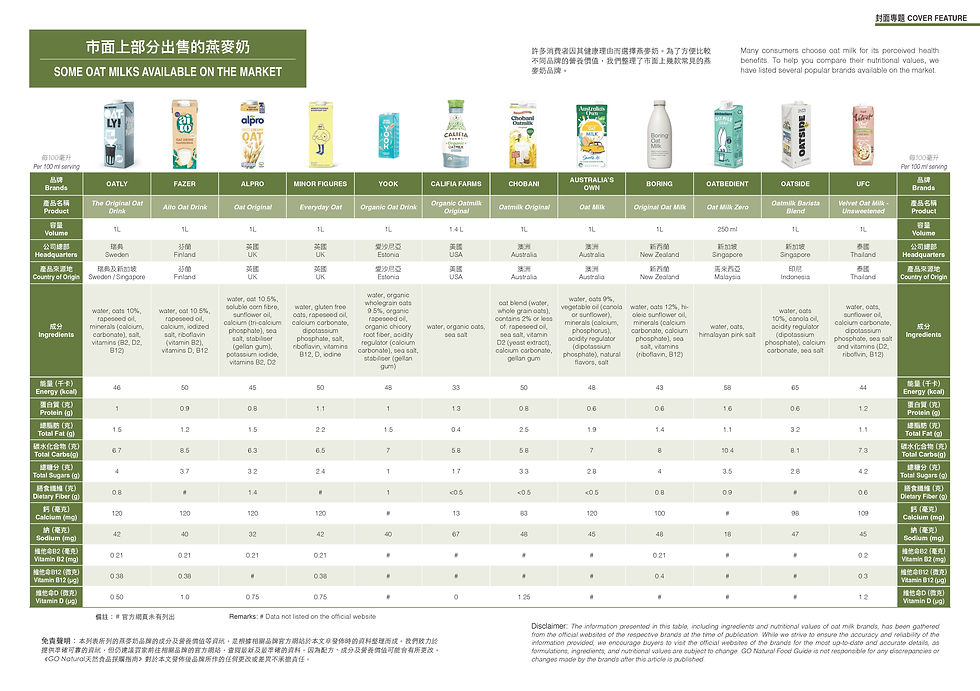
Some Oat Milks Available On the Market
Cow’s Milk vs Oat Milk - Dietary Scenarios
Cow’s milk and oat milk each provide unique nutritional benefits and are suited to different dietary needs and preferences. There is no absolute “better” choice—selection should be based on individual health goals, dietary restrictions, and lifestyle considerations.
Best for Protein
A cup serving of whole cow milk provides 8 g of high-quality protein with all of the essential amino acids (60% of the Recommended Daily Allowance for toddlers, and 40% of the RDA for young children).
Best for Lower Fat and Vegan Diets
Oat milk is generally lower in fat and suitable for vegans and those who are lactose intolerant.
Best for Cholesterol
Oat milk is naturally cholesterol-free.
Best for Low Sugar
Some oat milk varieties have lower sugar content than cow’s milk. To minimize sugar intake, select unsweetened options whenever possible.
Best for Other Essential Nutrients
Cow’s milk naturally provides nutrients such as riboflavin, pantothenic acid, niacin, zinc, iodine, selenium, and potassium, whereas oat milk typically requires fortification to match these levels.
Choose Cow’s Milk If...
You require complete protein (e.g. athletes, growing children)
You prefer natural sources of calcium and vitamins (without fortification)
You do not have lactose intolerance or dairy allergies
Choose Oat Milk If...
You avoid lactose or follow a vegan diet
You seek soluble fiber (β-glucan) for heart health
You prioritize environmental considerations
For the full story about oat milk...
Please read or download the digital version of the GO Natural Food Guide - Issue 11.


Comments