
High-Protein Diet Trend Sweeps Hong Kong as Dietitian and Chinese Medicine Practitioner Warn of Health Risks from Excessive Intake

The Rise of the High-Protein Diet Trend in Hong Kong
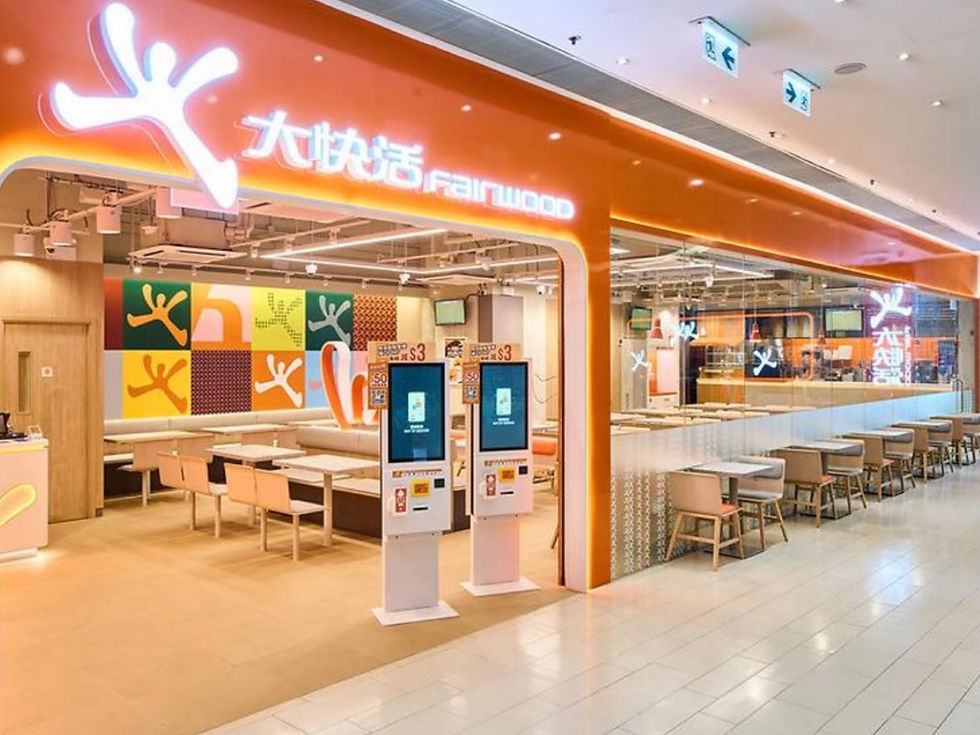
High-protein diets have gained significant traction in Hong Kong in recent years. Two major fast-food chains have launched high-protein meal options, while supermarkets and convenience stores have introduced dedicated high-protein product sections. But is this dietary trend suitable for everyone? To explore the question, Wong Chi-wing, Registered Dietitian and Director of the Food & Dietetic Department at Hong Kong Adventist Hospital, along with registered Chinese medicine practitioner Ngai Wing-mui, were invited to examine the benefits and drawbacks of high-protein diets from the perspectives of Western nutrition science and Traditional Chinese Medicine (TCM) respectively.

Dietitian’s View: Daily Protein Needs and 4 Health Risks
Wong Chi-wing noted that protein intake should be determined by an individual's age, gender, activity level and health status. For athletes, the recommended intake is 1.2 to 2.0 grams of protein per kilogram of body weight per day. However, the general population should adjust intake according to personal circumstances rather than uniformly pursuing a high-protein diet.
Regarding protein sources, Wong stated that options are extensive and not limited to meat or protein powder. Among animal-based sources, 120 grams of cooked meat contains approximately 28 grams of protein, one large egg contains roughly 6 grams, and 150 grams of Greek yoghurt provides about 15 grams. On the plant-based side, 250 millilitres of soy milk contains approximately 7 grams of protein, while tofu, edamame, dried beans, nuts, seeds and quinoa are also viable options.
Wong emphasised that for those who maintain a balanced diet, protein supplements are not necessary. Whole foods provide vitamins, minerals and dietary fibre simultaneously, offering more comprehensive support for overall health.
He also warned that long-term excessive protein intake poses four major risks: first, increased metabolic burden on the kidneys; second, animal-based protein may promote urinary calcium loss, raising the risk of osteoporosis; third, a disproportionately high protein ratio can disrupt the balance of carbohydrate and fat intake; and fourth, red meat and processed meats contain saturated fat and sodium, elevating the risk of cardiovascular and intestinal diseases.

TCM Perspective: How High Protein Affects Spleen Function
From a TCM perspective, Ngai Wing-mui pointed out that TCM theory holds that "the spleen governs the muscles." Muscle growth depends on the spleen and stomach transforming food and water into qi and blood — it cannot be achieved simply by "eating meat to build meat." When spleen and stomach function is insufficient, a high-protein diet may instead impose an additional burden on the body.
Ngai explained that foods such as chicken breast and protein powder are classified in TCM as "rich and heavy flavours" with a dense, greasy nature. When the spleen and stomach lack the capacity to process these foods, nutrients stagnate and generate heat, combining with dampness to form "damp-heat." This may lead to symptoms including bad breath, bloating, constipation, oily skin and acne, and can even trigger or aggravate eczema. She specifically noted that Hong Kong's humid climate already predisposes residents to dampness accumulation, and high-protein diets may further exacerbate the problem.
Ngai likened the situation to a factory with insufficient production capacity — when raw materials pile up, they turn into a burden of phlegm and dampness rather than useful output. Those with weak spleens who consume large amounts of high-protein foods without seeing muscle growth are experiencing precisely this dynamic. Furthermore, prolonged excessive protein metabolism can "deplete kidney essence." Individuals already exhibiting signs of kidney deficiency, such as sore lower back and knees or frequent nighttime urination, should be particularly cautious about following the trend blindly.

TCM Tips: How to Strengthen Your Spleen Before Increasing Protein
On the matter of dietary adjustment, Ngai offered several recommendations. The priority should be strengthening the spleen — adding dried tangerine peel (chenpi) when cooking rice or stewing meat can aid digestion and transformation. Exercise intensity should also be increased gradually, allowing the spleen and stomach time to adapt. If damp-heat symptoms are pronounced, she recommended suspending whey protein and warming meats, and instead consuming mung beans, winter melon and barley to clear heat and dispel dampness. Ngai also stressed that individual constitutions differ, and consultation with a registered Chinese medicine practitioner is advisable when adjusting dietary plans.
The Future of High-Protein Menus in Hong Kong’s Food Industry
On the development of high-protein products within the foodservice industry, both experts extended their observations to the sector level. Recommendations include clear labelling of protein content and complete nutritional information on meals, as well as tiered options at different protein intake levels to accommodate the distinct needs of the general population and fitness enthusiasts.
In terms of ingredient selection, Wong argued that the industry should balance animal and plant protein sources — for example, pairing chicken with tofu or quinoa with fish — while reducing the proportion of red meat and processed meats, with whole foods given priority. He also noted that expanding plant-based protein options could address growing environmental and vegetarian trends, providing consumers with more sustainable choices. Additionally, Wong stressed that the industry should include advisory notes on products, reminding individuals with kidney disease or specific health conditions to seek professional advice beforehand, and should avoid conveying the misleading message that "more protein is always better."
From a TCM dietary therapy perspective, Ngai recommended that meals incorporate ingredients such as barley, Chinese yam (huaishan) and dried tangerine peel to support spleen and stomach function. Given Hong Kong's hot and humid climate, she suggested offering side dishes such as winter melon soup and mung bean dessert as heat-clearing and dampness-dispelling options, adjusted according to the season. Specifically, she proposed that East-meets-West fusion menus could draw on combinations such as "pumpkin and chenpi chicken breast with millet rice" or "Chinese yam and black bean soy milk" as possible directions — balancing protein intake with TCM principles of strengthening the spleen and dispelling dampness.
Both experts concluded that, whether viewed through the lens of nutritional science or traditional Chinese medicine, the key to protein intake lies in moderation and balance. Neither the industry nor consumers should pursue "high protein" at the expense of overall dietary equilibrium.


Comments