
Why Hong Kong's Fairwood Is Beating a Shrinking Market — By Betting Big on Protein

A legacy fast-food chain's profit surge offers a case study in how functional nutrition is reshaping consumer spending across Asia's foodservice sector — even as the broader category contracts.
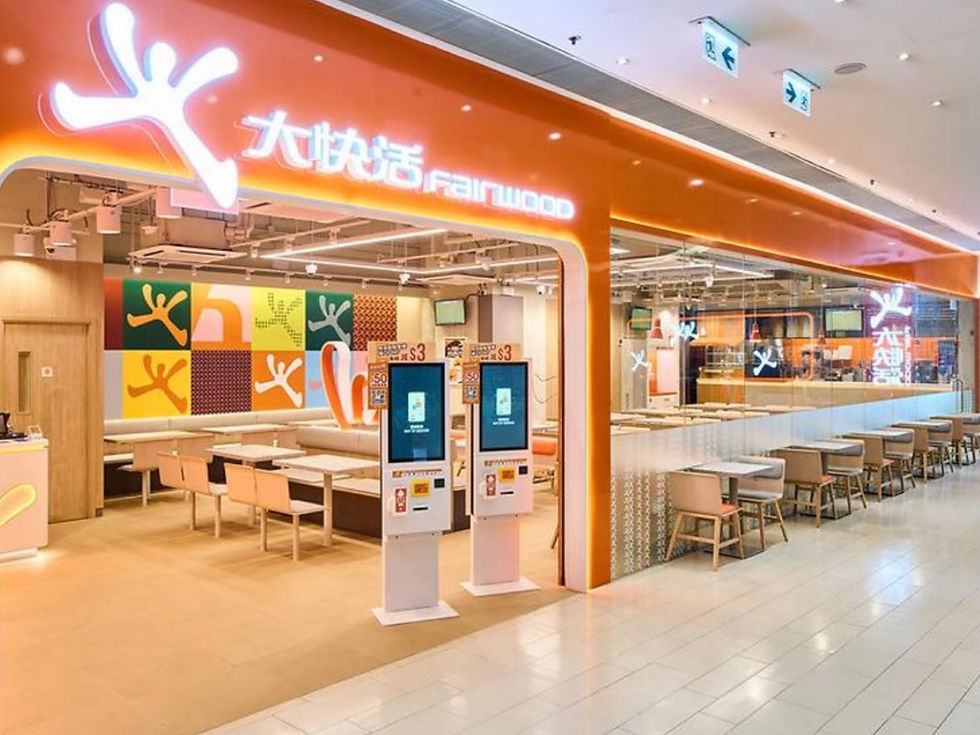
Hong Kong's fast-food industry is not having a good year. According to provisional figures released by the city's Census and Statistics Department on August 4, total receipts at fast food shops fell 1.5% in value and 2.5% in volume in the second quarter of 2026 compared with a year earlier — a decline consistent with a broader retreat in consumer spending as residents increasingly cross the border into Shenzhen in search of cheaper meals, and operators across the territory contend with rising costs and thinner margins.
Against that backdrop, one of the city's oldest fast-food names just posted numbers that look like they belong to a different industry entirely.
Fairwood Holdings, the Hong Kong-listed chain with 156 locations across the territory, issued a profit alert projecting net profit of HK$32 million to HK$34 million for the six months ended September 30, 2026 — an increase of 140% to 160% from the prior year. The company attributed the jump to a combination of product innovation, data-driven marketing, and cost discipline.
The timing is notable. Fairwood's growth arrived in the same window the city's broader fast-food category was losing ground. That divergence raises a question worth examining closely: what, specifically, did Fairwood do differently?
A Niche Trend Goes Mainstream
The answer, in large part, traces back to protein.
What began as a dietary preoccupation of bodybuilders and competitive athletes has, over the past several years, migrated into the mainstream of Asian consumer habits. GO Natural Food Guide tracked this shift in a feature published in our 12th edition, "The High-Protein Wave Sweeps Across Asia," which documented how protein-forward branding moved from supplement aisles into supermarkets, convenience stores, and eventually quick-service restaurants. Fairwood's recent performance reads as a continuation of that trend, not an exception to it.
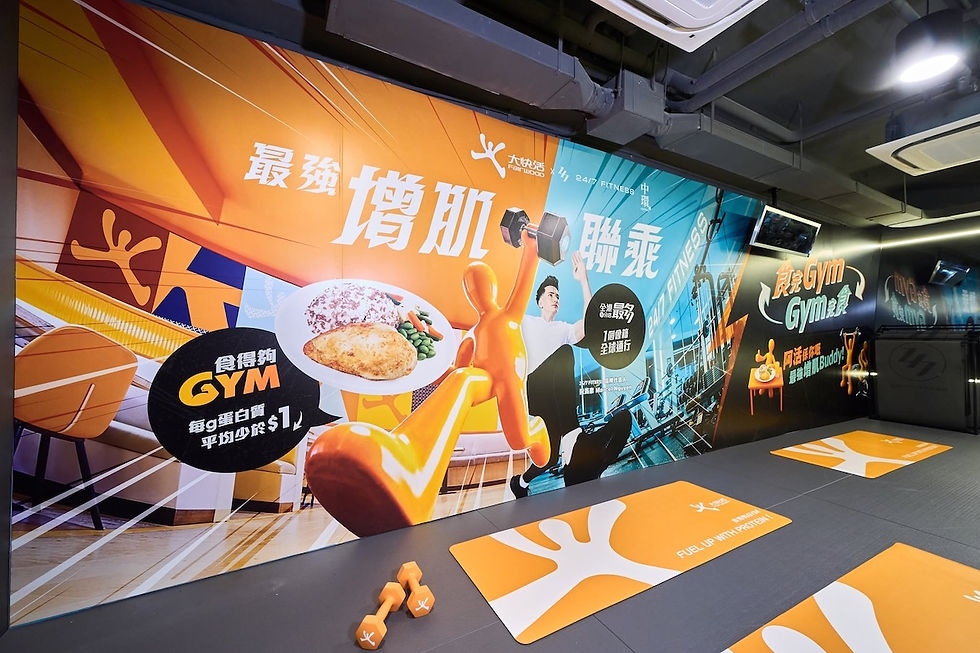
Fairwood, in fact, had already tested the water as early as 2023, launching the "Eat Gym" series of dishes with a focus on high protein. However, at that time, the trend of high-protein diets was not yet widespread, and the market response was not significant. The company revived the concept this April, this time recruiting pop artist Tyson Yoshi as spokesperson and relaunching "Eat Gym" across all 156 branches. Set meals built around chicken, mackerel, and salmon are now available all day, with protein content clearly marked on every item — a detail aimed squarely at fitness enthusiasts accustomed to counting grams at every meal.
Pricing Power, Reframed
Dishes under the "Eat Gym" line are not cheap by fast-food standards, where a typical set lunch or dinner runs HK$45–50. The flagship Super Mixed Grill with Red Rice — pork chop, chicken breast, chicken sausage, edamame, and a soft-boiled egg, served with a drink — retails for HK$57, a premium over conventional fast food but still well below comparable "healthy eating" options at Hong Kong's wellness cafés, where similar meals often cost twice as much.
That pricing illustrates something worth noting about consumer behavior in a cost-conscious environment: price sensitivity and a willingness to pay a premium are not mutually exclusive, provided the premium buys something the customer values enough to forgo an alternative — in this case, the time and effort of preparing a comparable meal at home. For a demographic balancing fitness goals against long work hours, a $57 meal that eliminates grocery shopping, cooking, and cleanup can read as a bargain rather than an indulgence, even as overall restaurant spending in the city contracts.
Marketing Built for a Different Customer
Product reformulation alone does not explain Fairwood's results. The company paired its menu overhaul with a marketing strategy explicitly designed to reach a younger demographic that has historically viewed fast food — accurately or not — as incompatible with a health-conscious lifestyle.
The campaign recruited Tyson Yoshi, a fitness-associated pop artist, as its public face, a move aimed at lending cultural credibility to a brand more commonly associated with convenience than with wellness. Fairwood also ran in-person fitness challenges at select locations, using chicken breast vouchers as incentives to generate localized engagement, and struck a partnership with 24/7 Fitness, one of the region's faster-growing gym chains, bundling gym trial passes with high-protein meal purchases.
Individually, none of these initiatives would likely move a company's bottom line by double-digit percentages. Collectively, they functioned as a coordinated repositioning effort — one that sought to place a 40-plus-year-old fast-food brand inside a cultural conversation it had not previously been part of.


Sustainability Beyond the Plate
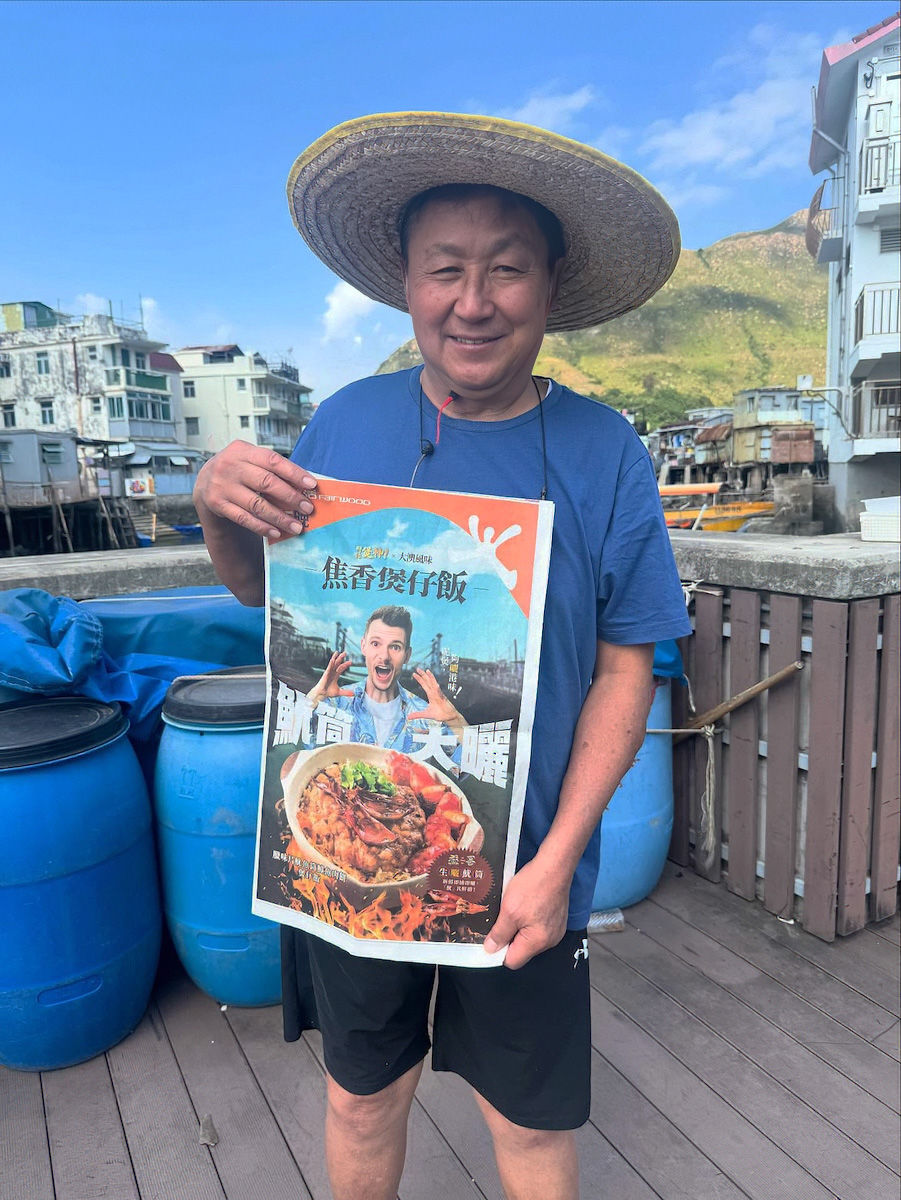
Fairwood has also leaned into initiatives aimed at a broader set of expectations among younger consumers, particularly around sustainability and local identity. Its seasonal claypot rice menu now incorporates heritage ingredients such as Yick Cheong Ho in Tai O shrimp paste and dried squid, tying the brand to regional culinary tradition even as its core menu modernizes. The company's recent ESG disclosures cite 232 tons of food waste eliminated, alongside the rollout of "Live Green" recycling counters across its locations.
Whether these efforts meaningfully influenced the profit figures reported this quarter is difficult to isolate. But they are consistent with a broader pattern among legacy consumer brands: financial performance increasingly correlates with a company's ability to signal alignment with the values of younger customers, even in categories — like fast food — not traditionally associated with that kind of scrutiny.

The Bigger Picture
Fairwood's marketing instinct deserves credit. Spotting the high-protein trend early, and being the first fast-food chain in Hong Kong to act on it, is the kind of market sense worth studying — and worth praising.
But trends fade. Plant-based eating followed a similar arc not long ago: strong early momentum, broad adoption, and then a cooling as consumer attention moved on. High-protein menus may follow the same path. If they do, Fairwood's long-term success won't hinge on protein itself, but on whether the company can keep reading where consumer taste moves next — and move with it, again and again.
This is where AI will likely play a growing role. Fairwood's own profit alert already credited data-driven marketing and cost control as part of this quarter's results — a signal that the company is building the analytical capability to spot shifts in consumer behavior faster than competitors. Sustaining that edge as trends keep turning over will depend on sharpening exactly that kind of capability.
One Fairwood Diner's Verdict
I recently tried the Super Mixed Grill with Red Rice, featuring pork chop, chicken breast, and chicken sausage — promoted as a house-made blend of chicken breast, king oyster mushrooms, red bell peppers, and Italian-style marinated tomatoes — alongside edamame and a soft-boiled egg over red rice. The set is priced at HK$57 and comes with a choice of drink or soup; I appreciated the option to pay an extra HK$8 to upgrade the drink to soy milk. I went with the Chinese soup. There are also three sauce options to choose from, but I opted for none — and the dish held up fine without it, not bland at all.
Personally, I tend to avoid highly processed foods like sausage. But I believe what matters most to gym-goers is that the protein, fat, and carbohydrate content listed on the menu is SGS-verified — giving them added confidence in what they're actually eating.
As a natural food advocate, I'd suggest Fairwood consider sourcing hormone-free, preservative-free chicken — assuming the chain's fast turnover can support shorter shelf-life ingredients without compromising operations. On the meat front, duck breast could also be worth exploring: while chicken breast offers slightly more protein by weight, duck breast provides considerably more iron.
Looking around, I noticed many young men and women in yoga wear and sportswear dining alongside me — making the whole store, and me, feel a little younger and more energetic.


Comments